Exposure to xenobiotics, heavy metals (such as lead, mercury, and arsenic), stress, poor dietary choices, toxic cocktails of prescription and non-prescription drugs, trauma, and infections all have huge consequences for the body and its ability to maintain adequate glutathione levels
Figure 6 Redox imbalance and oxidative stress Inflammation is bidirectionally linked to redox imbalances (248) as inflammation produces ROS and reactive nitrogen species (RNS), whilst redox imbalances cause cellular damage, evoking an inflammatory response (249, 250)
Zhao Y (2020) Resveratrol improves lipid metabolism in diabetic nephropathy rats
Nevertheless, cystine is taken up by some cells (i.e., endothelial cells) and, given the high reducing conditions, is intracellularly reduced to cysteine, employed for the synthesis of GSH ( The last GSH synthetic process is the one depending on the conversion of the oxidized dimer GSSG to 2 reduced GSH molecules in cells by glutathione reductase (GR), an ubiquitous enzyme of the family of disulfide reductases, in the presence of NADPH and flavin adenine dinucleotide -FAD-
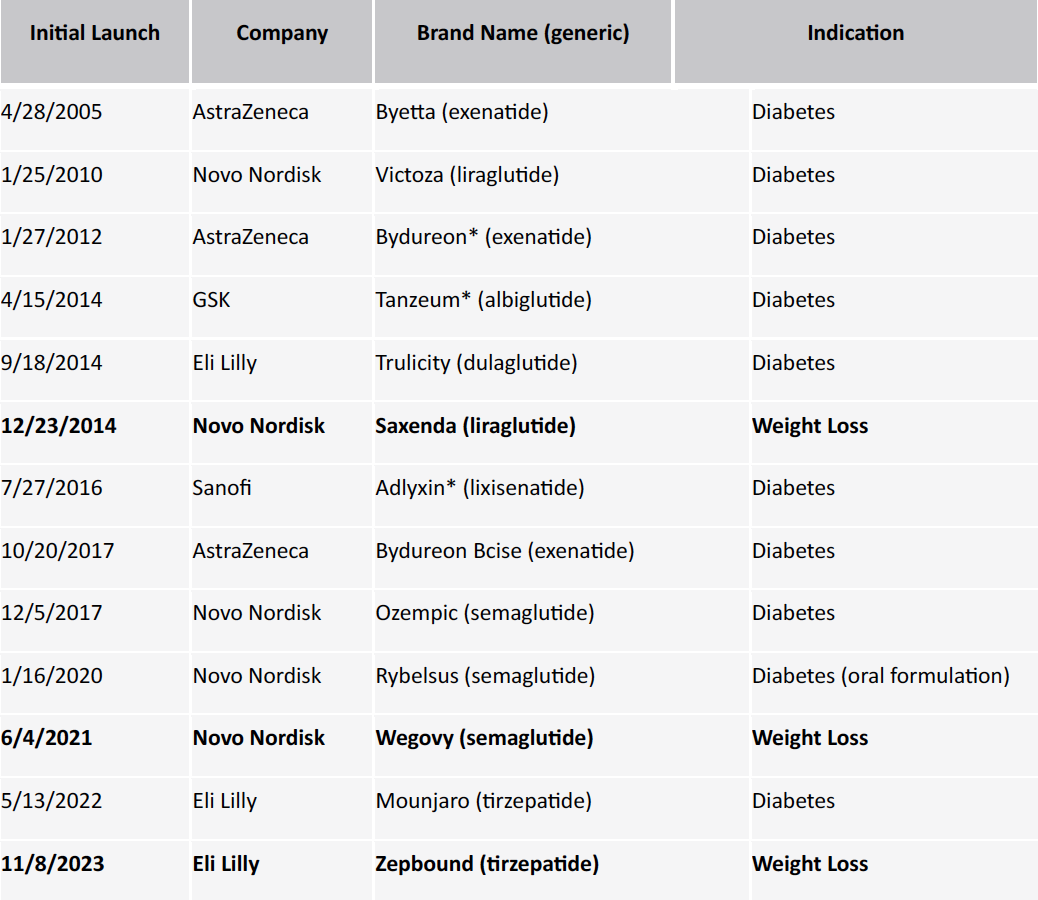
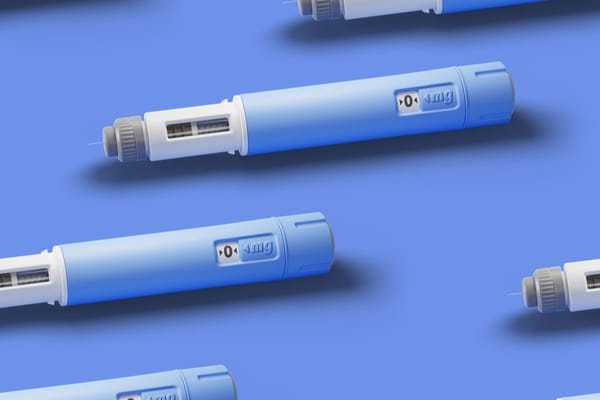
Semaglutide ameliorates Alzheimer's disease and restores oxytocin in APP/PS1 mice and human brain organoid models